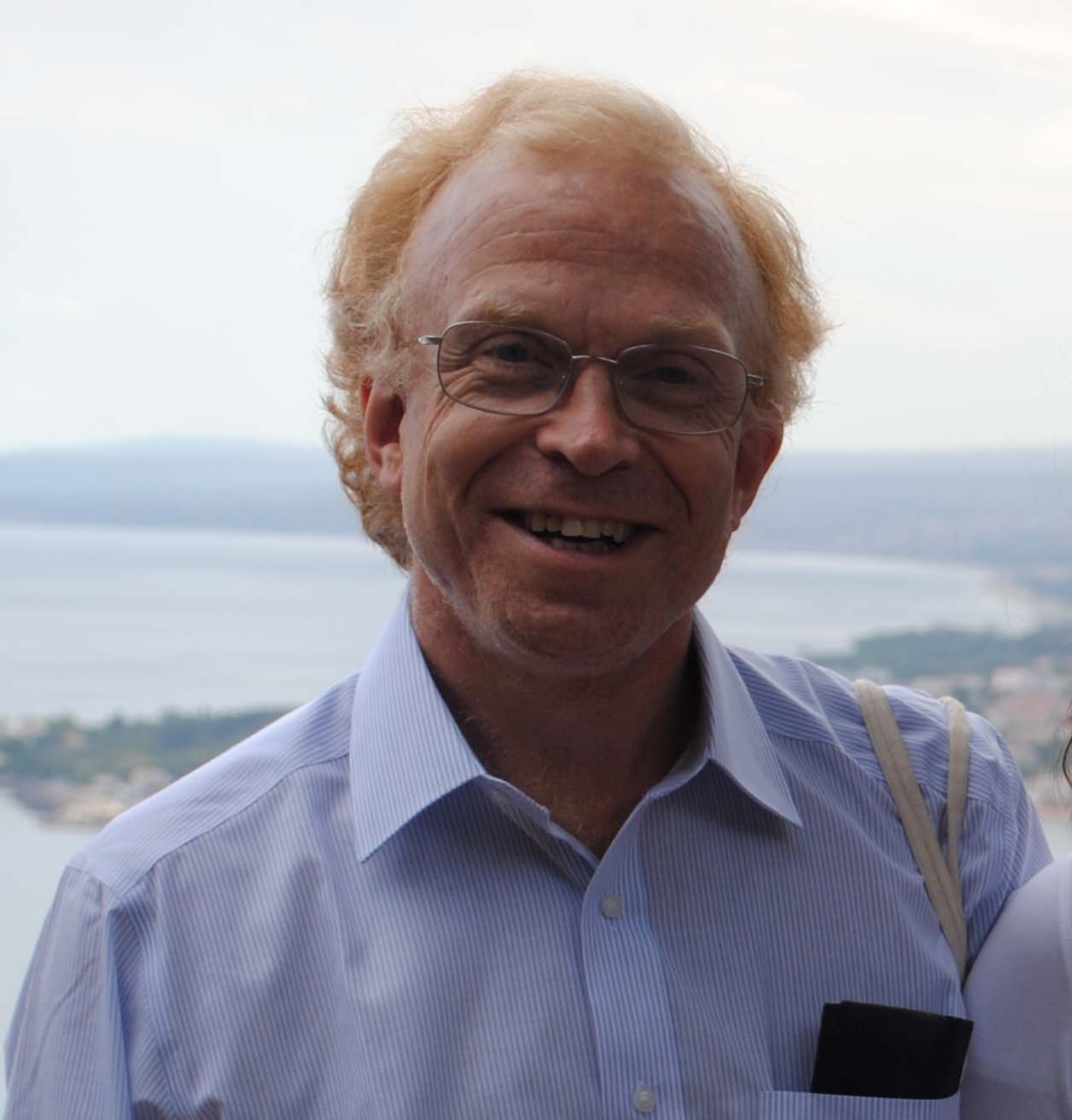
Clive Wilson graduated in Biochemistry from the University of Cambridge in 1983 and received his doctorate in 1986 from the University of Warwick. He first worked with fruit flies and appreciated their importance as a model for human genetic disease as a postdoctoral fellow in the labs of Walter Gehring (Basel, 1987-1990) and Hermann Steller (Cambridge, USA, 1990-1993), before returning to the UK as a Lecturer at the University of Kent. Clive moved to Oxford as a Lecturer in Biomedical Sciences in 2001 and is currently Professor in Cell and Molecular Genetics.
Teaching
Clive gives tutorials to medical students, biomedical scientists and biological scientists, primarily in the areas of genetics, tissue, cell and molecular biology, developmental biology, cell signalling and endocrinology.
Research interests
Clive’s primary research interests are in the study of cell-to-cell communication, how signals are assembled and secreted, and how these signals are transmitted to other cells. His group’s research is particularly focused on fundamental signalling mechanisms that appear to go wrong in human diseases, such as cancer, diabetes and Alzheimer’s Disease, and may provide an entry point for new treatments and diagnostics. Clive is using the fruit fly, Drosophila melanogaster, to find new genes involved in these processes, employing the remarkably powerful genetic techniques available in these animals. Over the years, these studies have revealed new functions for insulin signalling and new components in this signalling pathway of relevance to human diabetes and cancer. More recently, his team has developed a new cell system in flies to follow each step in the secretory pathway in real-time for the first time in any animal. This has revealed a new form of signalling mechanism involving vesicles called Rab11-exosomes and several previously unidentified key regulators of the secretory process, some of which play fundamental roles in cancer and Alzheimer’s Disease, and are potentially new targets for therapies.
For more information about Clive see his departmental page which also includes information on The Wilson Group.