13 February 2026
St Hugh’s Sports Fellow wins Silver at German National Ski Mountaineering Championships
Congratulations to St Hugh's Sports Fellow and Professorial Fellow in Commercial Law,
Read More
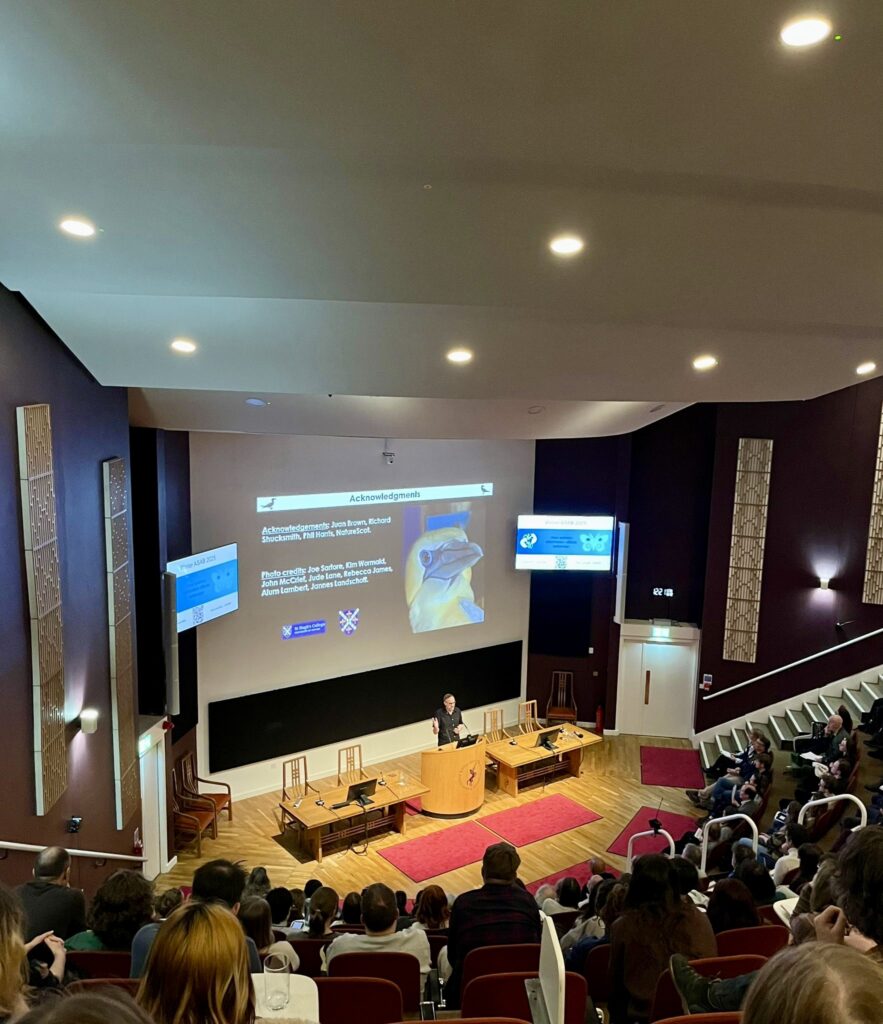
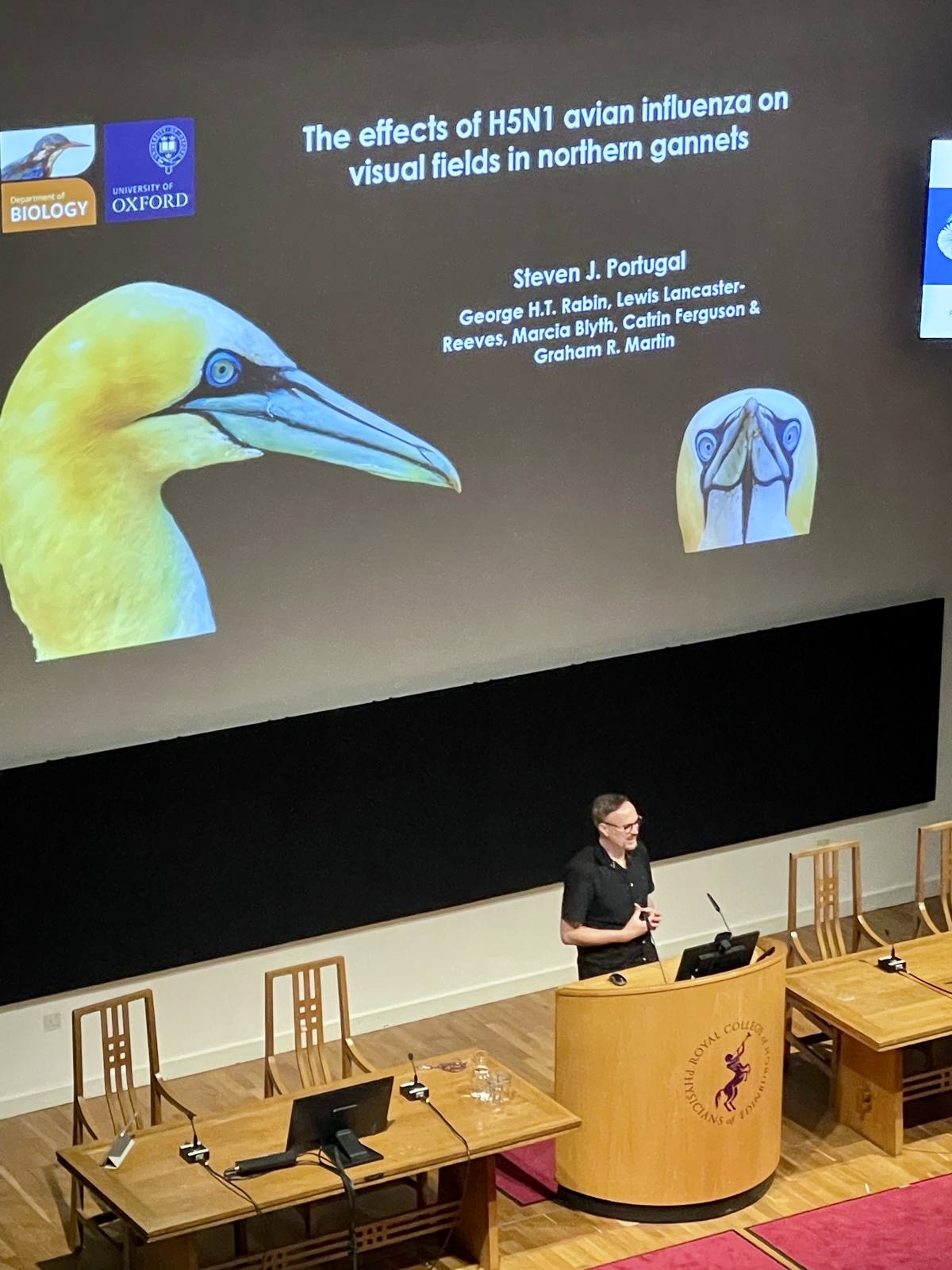
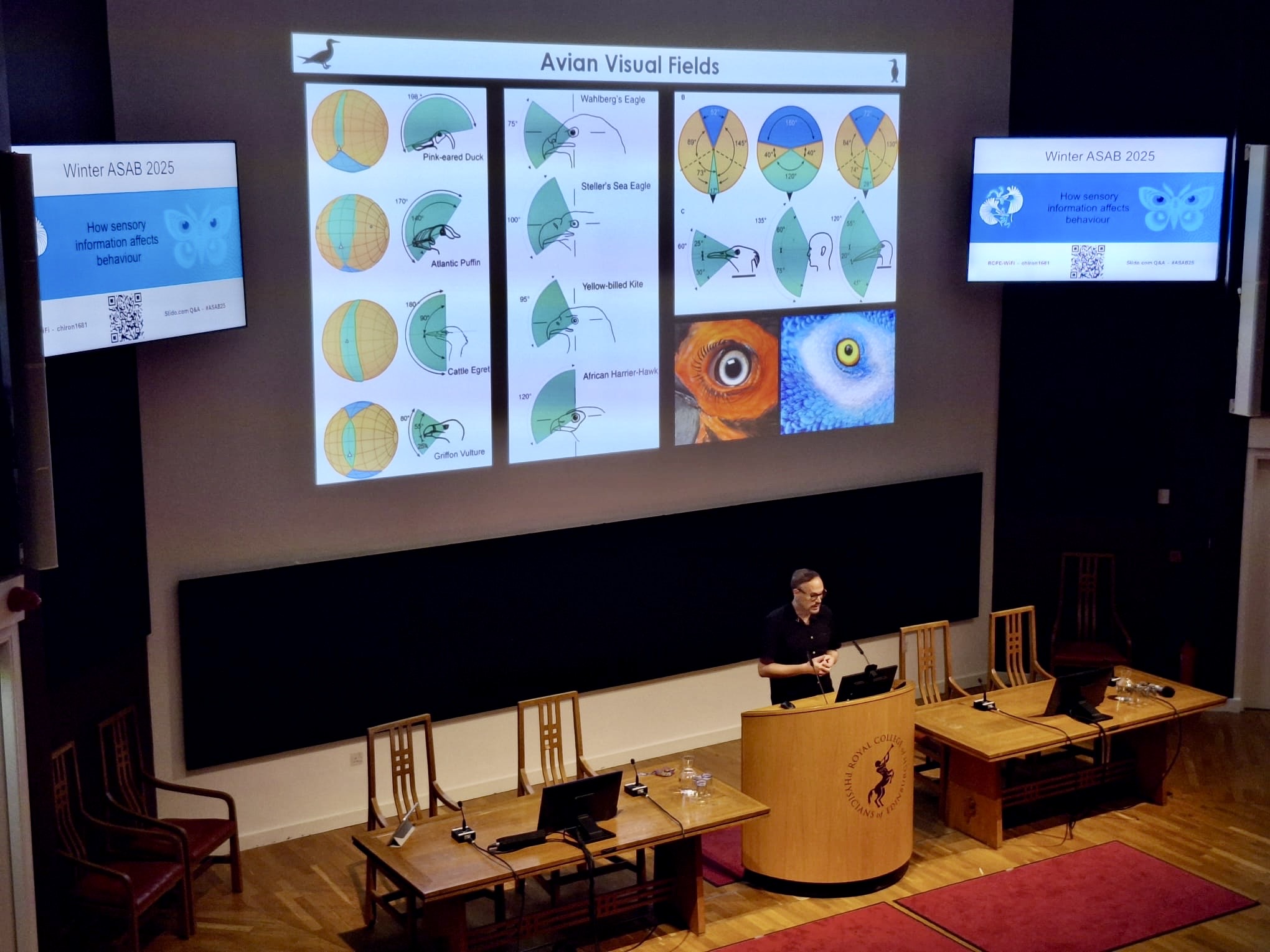
In December 2025, St Hugh’s Tutorial Fellow in Biology, Professor Steve Portugal travelled to Edinburgh to The Association for the Study of Animal Behaviour (ASAB) conference. Here, he presented findings from a fieldwork trip, that was funded by St Hugh’s College.
This presentation examined the unprecedented global outbreak of avian influenza in 2023, which resulted in the deaths of an estimated 300 million birds worldwide. Seabirds were highlighted as particularly vulnerable due to their highly gregarious breeding behaviour, with some species nesting in colonies of over 100,000 individuals. The emergence of the current H5N1 strain between 2021 and 2023 led to the largest recorded outbreak of avian influenza in the UK, causing the deaths of approximately 3.8 million birds and resulting in significant agricultural and environmental impacts.
The presentation challenged the prevailing assumption that recovery from avian influenza in wild birds is essentially nonexistent. Evidence was presented showing that some northern gannets (Morus bassanus) survived H5N1 infection. These recovered individuals exhibited a striking and previously undocumented change in eye colour, with their eyes turning from the species’ characteristic bright blue to black. This phenomenon was initially thought to be a superficial change to the iris, and its functional consequences were unknown.
Given the reliance of gannets on vision for foraging—particularly their plunge-diving hunting strategy—the presentation explored whether this eye transformation affected visual performance. Visual field measurements were compared between unaffected gannets and recovered “black-eyed” individuals. The results demonstrated significant differences in visual fields, a loss of intraocular pressure in affected eyes, and a high degree of variability in ocular damage among recovered birds.
The presentation concluded by discussing these findings in detail and considering their broader implications for understanding recovery from avian influenza, propensity for collisions with anthropogenic objects, visual function, and the long-term survival of seabirds affected by the disease.